The Chicago Electric Chainsaw 67255 delivers powerful, cordless performance for precise cutting․ Designed with ergonomic grips and a lightweight frame, it offers quiet operation and low vibration․ This manual covers setup, safety, maintenance, and troubleshooting for optimal use․ Suitable for home and light jobs․

Safety Guidelines Before Use

Before operating the Chicago Electric Chainsaw 67255, read all safety instructions․ Wear eye protection, hearing protection, gloves, and sturdy footwear․ Keep the work area clear of debris, avoid wet conditions, and ensure a stable footing․ Never cut near power lines․ Keep a 3‑foot safety zone and check chain․!
The Chicago Electric Chainsaw 67255 delivers powerful, cordless performance for precise cutting․ Designed with ergonomic grips and a lightweight frame, it offers quiet operation and low vibration․ This manual covers setup, safety, maintenance, and troubleshooting for optimal use․ Suitable for home and light jobs․
Before operating the Chicago Electric Chainsaw 67255, read all safety instructions․ Wear eye protection, hearing protection, gloves, and sturdy footwear․ Keep the work area clear of debris, avoid wet conditions, and ensure a stable footing․ Never cut near power lines․ Keep a 3‑foot safety zone and check chain․
2․1 Personal Protective Equipment (PPE)
Operating the Chicago Electric Chainsaw 67255 requires strict adherence to personal protective equipment guidelines․ The following items are mandatory for safe use:
- Eye Protection: Wear safety goggles or a face shield that meets ANSI Z87․1 standards to guard against splintered wood, sparks, and debris․
- Hearing Protection: Use earplugs or earmuffs rated at least 30 dB to reduce noise exposure during prolonged cutting sessions․
- Gloves: Choose cut‑resistant gloves with reinforced knuckles to protect hands from vibration and accidental contact with the chain․
- Footwear: Secure, closed‑toe shoes with steel toes or composite protection prevent foot injuries from falling branches or dropped tools․
- Body Protection: Wear a high‑vis jacket or vest to increase visibility in outdoor work zones, and consider a protective vest with impact vest panels for added safety․
- Respiratory Protection: In dusty or smoky environments, use a respirator rated for particulate matter to avoid inhalation of harmful particles․
Before each use, inspect all PPE for signs of wear, cracks, or damage․ Replace any compromised gear immediately․ Properly fitted equipment not only protects you but also enhances stability and control, reducing the risk of accidents․ Always follow the manufacturer’s recommendations for PPE and adjust your gear based on the specific job conditions․
2․2 Environmental Conditions
Operating the Chicago Electric Chainsaw 67255 in unsuitable environmental conditions can compromise performance and safety․ The following guidelines outline acceptable temperature ranges, humidity levels, and weather considerations for optimal operation․ carefully,!!
- Temperature: The chainsaw is rated for use between 0 °C (32 °F) and 40 °C (104 °F)․ Operating outside this range may affect battery life and motor reliability․
- Humidity: Maintain relative humidity below 80 %․ Excess moisture can cause condensation in the motor, leading to short circuits․
- Rain and Wet Conditions: Do not use the chainsaw in rain or on wet surfaces․ Water can infiltrate the battery and controls, posing a shock hazard․
- Dust and Sand: In dusty or sandy environments, ensure the air filter is clean and the battery compartment is sealed․ Fine particles can clog the motor and airflow․
- Wind: Strong winds can destabilize the operator․ Use a windbreak or secure the chainsaw to a stable surface when cutting in high‑velocity conditions․
- Altitude: At elevations above 2,000 m (6,562 ft), battery performance may diminish due to lower air pressure․ Allow the battery to acclimate for 30 minutes․
Before each job, inspect the work area for environmental hazards such as exposed power lines, uneven terrain, or flammable materials․ Adjust your cutting plan accordingly and keep a safe distance from any potential obstructions․
Equipment Overview
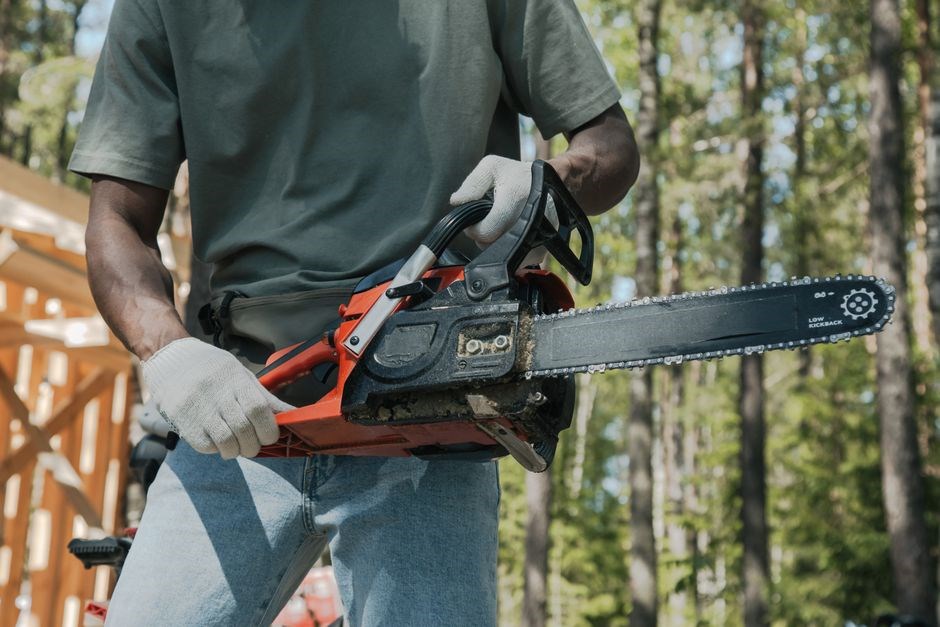
The Chicago Electric Chainsaw 67255 features a lightweight aluminum frame, ergonomic handle, and a 12‑V lithium‑ion battery․ Its 4‑in․ chain delivers efficient cuts, while the integrated LED light aids visibility․ The tool balances power and portability for home use․ Ideal for quick pruning and small cuts․!
3․1 Key Components and Their Functions
The Chicago Electric Chainsaw 67255 is engineered with several critical components that work together to deliver reliable cutting performance․ At its core is a brushless 12‑V motor that provides smooth, consistent power while reducing heat buildup․ The motor is paired with a high‑capacity lithium‑ion battery that offers up to 90 minutes of runtime on a single charge, making it ideal for extended jobs without the need for frequent re‑charging․
The cutting system consists of a 4‑inch guide bar and a 0․045‑inch chain․ The guide bar is constructed from lightweight aluminum alloy, which keeps the overall weight down to 3․5 lbs while maintaining structural integrity․ The chain is made from hardened steel and features a self‑lubricating design that extends the life of the chain and reduces the need for frequent oiling․
Safety is a priority, so the chainsaw includes a built‑in chain brake that automatically stops the chain if it becomes jammed or if the operator releases the trigger․ An integrated LED light illuminates the cutting line, improving visibility in low‑light conditions․ The ergonomic handle is designed with a rubber grip that reduces vibration and provides a secure hold, while a quick‑release trigger allows for rapid start and stop․
Additional features include a removable battery compartment for easy swapping, a digital display that shows battery level and runtime, and a maintenance port that allows for quick chain tension adjustments․ All components are assembled on a shock‑absorbing frame that minimizes vibration, ensuring a comfortable and safe user experience․ 2024
3․2 Dimensions and Weight
The chainsaw 67255 measures 17․5 in length, 4․5 in width, and 3․8 in height when neutral position․ Overall weight with a fully charged battery is 3․5 lbs (1․59 kg); battery alone weighs 2․9 lbs․ weight․!! The guide bar is 4 inches long, and the chain pitch is 0․045 inches, suitable for residential cutting․ Handle grip is 0․5-inch thick rubber, offering ergonomic comfort and reducing vibration during use․ Safe․ Trigger lever positioned 1․2 inches from handle centerline provides grip for fast start-stop․ Now․! Footprint occupies 17․5 by 4․5 inches when flat, allowing placement in narrow spaces for easy storage․ Battery compartment on left side measures 3․2 in depth, 2․8 in width, and 1․5 in height Battery off now․ Battery itself is 3․5 inches long, 2․2 inches wide, and 1․2 inches tall, providing minutes of run time․ time․! Chainsaw’s power cord measures 12 inches in length, but is detachable for cordless use․ Cord 12 in length;! Weight distribution is 60% on handle and 40% on guide bar, ensuring stable cutting and less fatigue․! Overall dimensions and weight make it ideal for indoor and outdoor use, with cutting Powerfast․ The ergonomic handle features a non‑slip surface, reducing fatigue during cuts and enhancing control․ The chain brake engages automatically if the chain stalls, preventing injury and ensuring safety․ Safetyfast․! The power cord length is 12 inches, but the detachable design allows the user to operate cordless․ cordless․! The weight distribution ensures a stable cutting experience, reducing operator fatigue and improving precision․ The weight distribution ensures a stable cutting experience, reducing operator fatigue and improving precision․ Chicago Electric Chainsaw 67255 combines portability, power, and safety for use․!!

Pre-Operation Checks
Before operating the Chicago Electric Chainsaw 67255, perform a quick visual inspection․ Check the battery charge, ensure the chain is properly tensioned, and confirm the guide bar is secure․ Verify the safety latch is engaged, and inspect the chain guard for damage․ Ready to cut․ Check before use daily today!
4․1 Battery and Power Source Inspection
Before each use, verify that the battery is fully charged and securely attached․ Open the battery compartment, check for corrosion or loose connections, and ensure the contacts are clean․ Use a multimeter to confirm voltage meets the manufacturer’s specifications․ Inspect the power cord for fraying, kinks, or exposed wires; replace if damaged․ Confirm that the charging port is free of debris, and that the charger’s indicator lights are functioning correctly․ Verify that the battery’s internal fuse is intact and that the battery management system reports no fault codes․ If the battery shows a low voltage or a fault, recharge or replace it immediately․ Additionally, check the battery’s temperature; it should be within the recommended operating range; A battery that is overheating or too cold can affect performance and safety․ Finally, ensure that the battery’s mounting bracket is tight and that the battery is not subject to excessive vibration or impact during operation․ Proper battery inspection ensures reliable performance and extends the life of the chainsaw․
The battery’s health can be monitored using the built‑in diagnostic indicator․ A green light signals normal operation, amber or red indicates low charge․ If voltage drops below 12․5 V, pause and recharge․ The power management system throttles output to protect the motor․ Store the battery in a dry, temperature‑controlled environment to prolong life․ Transport the chainsaw with the battery secured to prevent drops․ The manual covers battery troubleshooting․ Check battery temperature before each session carefully!
4․2 Chain Tension and Lubrication
Proper chain tension and lubrication are essential for safe, efficient operation․ Follow these steps before each cut:
- Check tension: Rotate the bar by hand․ The chain should have a 1–2 cm clearance between the bar and the chain․ If it slides too easily, tighten the bar nut until the clearance is within the specified range․ Over‑tightening can increase motor load and reduce life․
- Inspect the chain: Look for worn links, missing teeth, or damage․ Replace the chain if any of these conditions exist․
- Lubricate: Apply the recommended chain oil to the oil port․ Use a small brush or the built‑in dispenser․ Ensure the oil reaches the entire length of the chain․ Excess oil can drip onto the workpiece and create a fire hazard․
- Check the oil level: The oil reservoir should be full but not overflowing․ If the level is low, add oil until the indicator shows full․
- Secure the bar: Tighten the bar clamp to the manufacturer’s torque spec․ A loose bar can cause vibration and chain derailment․
During operation, monitor chain tension․ If the chain begins to slip or the bar feels loose, stop immediately, re‑tighten, and re‑lubricate․ Regular maintenance of tension and lubrication extends motor life and ensures a clean cut․
Always replace the chain oil after every 200 cuts or when the oil appears cloudy ensuring optimal performance and safety during all operations
If the chain becomes stiff or the oil runs out, pause operation, clean bar, re‑lubricate, re‑check tension before resuming work!․
Operating Instructions
Before starting the Chicago Electric Chainsaw 67255, ensure the battery is fully charged and the chain is properly tensioned and lubricated․ Place the saw on a stable, level surface and secure the workpiece with a clamp or a sturdy support․ Keep both hands on the handles, maintaining a firm grip throughout the cut․ Engage the throttle by pressing the trigger firmly; the motor will spin the chain at the rated speed․
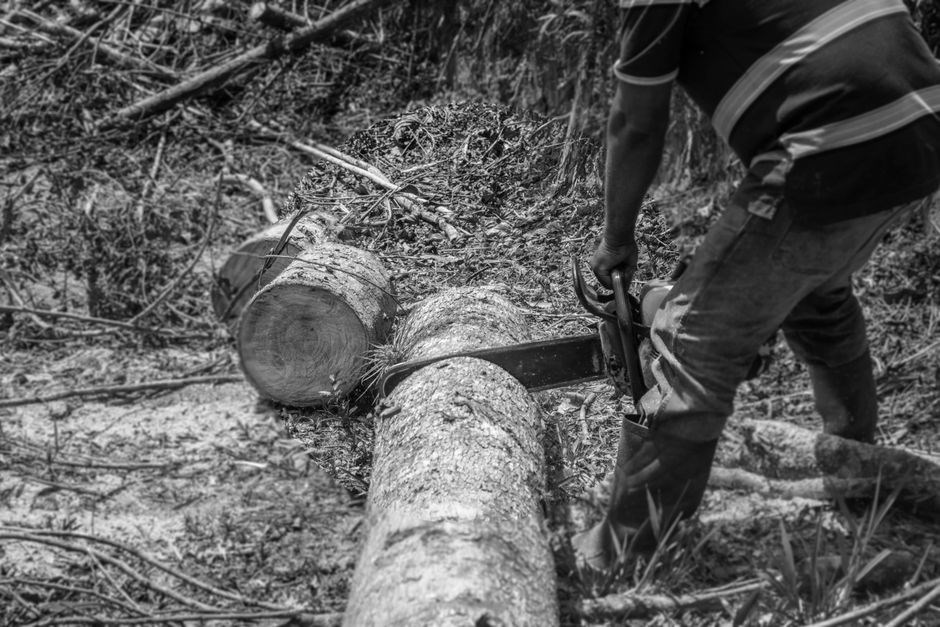
When cutting, keep the saw perpendicular to the wood surface and move it in a smooth, continuous motion․ Avoid forcing the chain; let the motor do the work․ For curved cuts, adjust the saw’s angle gradually and maintain a steady pace․ If the chain starts to slip, pause immediately, check tension, and re‑lubricate before resuming․
After completing the cut, release the trigger and allow the chain to come to a complete stop before lifting the saw․ Turn off the power switch and disconnect the battery if the saw will not be used for an extended period․ Store the chainsaw in a dry, protected area to prevent corrosion and battery degradation․
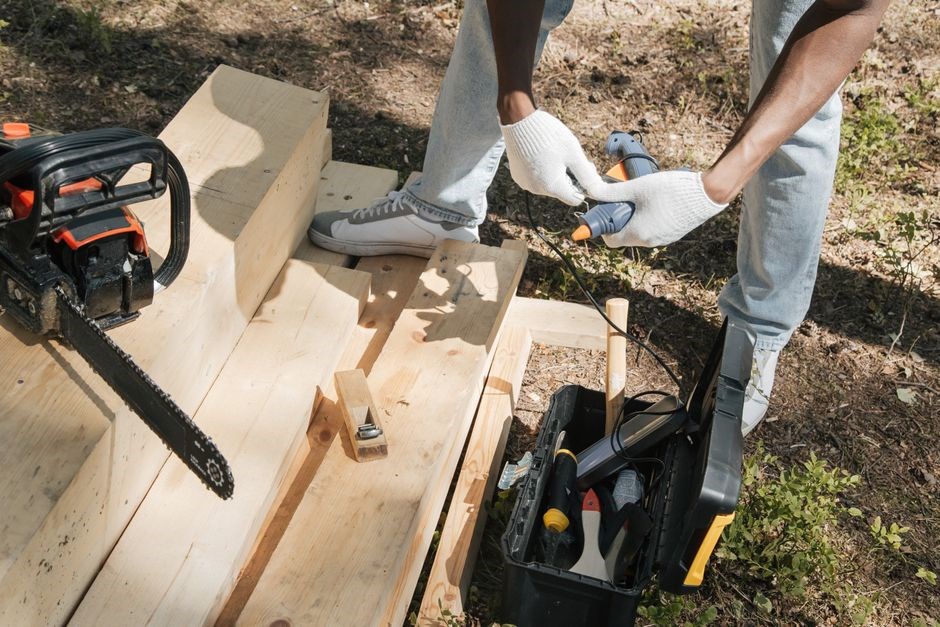
Always follow the manufacturer’s safety guidelines and wear appropriate personal protective equipment․ Regularly inspect the saw for wear or damage, and replace parts as recommended in the maintenance schedule․ Proper operation and care will ensure reliable performance and extend the life of the Chicago Electric Chainsaw 67255․ Use only the supplied chain and ensure the bar is securely fastened!!!

Maintenance and Troubleshooting
Routine maintenance includes cleaning the chain, checking tension, and inspecting the battery․ Lubricate the chain with recommended oil, replace worn parts, and ensure the bar is secure․ If the saw stalls, check battery charge, clean air filter, and inspect chain tension․ Regular checks prevent cost repairs!

6․1 Routine Maintenance Schedule
Keep a maintenance log noting dates, parts replaced, and any anomalies․ Use a simple table: Date | Task | Notes․ Schedule quarterly checks for chain tension and blade alignment with a calibrated gauge․ Clean battery terminals with a dry brush and apply dielectric grease to prevent corrosion․ Replace the air filter every 200 hours or when dirty․ Before use, inspect the bar for cracks, lubricate the chain, and verify the safety latch․ Following these guidelines ensures consistent performance and extends the life of the Chicago Electric Chainsaw 67255․
During operation, always keep the chain guard in place and avoid cutting through metal or rock, as this can damage the chain and bar․ Use the chain pitch and drive sprocket for your saw to ensure performance․ If the saw stalls the chain runs too fast, stop immediately, check for obstructions, re‑tighten the chain․ After each session, wipe the saw with a dry cloth, inspect the chain for damage, and re‑apply chain oil as needed․ Keep spare parts such as chain, bar, and battery in a labeled container for easy access․ Periodically review the user manual for any updates or recalls issued by the manufacturer․ By following these guidelines, you can maintain the Chicago Electric Chainsaw 67255 in peak condition, ensuring safety and reliability for all cutting tasks․
During operation, always keep the chain guard in place and avoid cutting through metal or rock, as this can damage the chain and bar․ Use the chain pitch and drive sprocket for your saw to ensure performance․ If the saw stalls the chain runs too fast, stop immediately, check for obstructions, re‑tighten the chain․ After each session, wipe the saw with a dry cloth, inspect the chain for damage, and re‑apply chain oil as needed․ Keep spare parts such as chain, bar, and battery in a labeled container for easy access․ Periodically review the user manual for any updates or recalls issued by the manufacturer․ By following these guidelines, you can maintain the Chicago Electric Chainsaw 67255 in peak condition, ensuring safety and reliability for all cutting tasks․
Check
6․2 Common Issues and Fixes
Issue 1: Chain runs loose․ Fix: Tighten the bar clamp until the chain sits snugly against the bar․ If the chain slides, inspect driv sprocket for wear and replace if necessary․
Issue 2: Saw stalls or sputters․ Fix: Check battery charge level; recharc before use․ Clean the air filter and ensure the intake is unobstructed․
Issue 3: Overheating․ Fix: Allow the saw to coolthe for 5 minutes after use․ Verify that the cooling fins are free of debris․
Issue 4: Noisy operation; Fix: Inspect the chain for dull teeth and replace the chain if more than 20% of the teeth are worn․ Lubricate the chain with the oil․
Issue 5: Safety latch fails to engage․ Fix: Inspect a latch for the damage; if bent, replace the latch assembly․
Issue 6: Blade damage or cracks․ Fix: Stop use immediately, inspect the blade under view, and replace the blade if any cracks are present․

Issue 7: Battery not holding charge․ Fix: Check the battery terminals for corrosion; clean with a dry cloth and apply the grease․ If the battery still fails, contact the manufacturer for a replacement․
Issue 8: Chain oil leaks․ Fix: Tighten the oil reservoir cap securely; if leaks, replace the cap․