Overview of Orthopedic Instruments
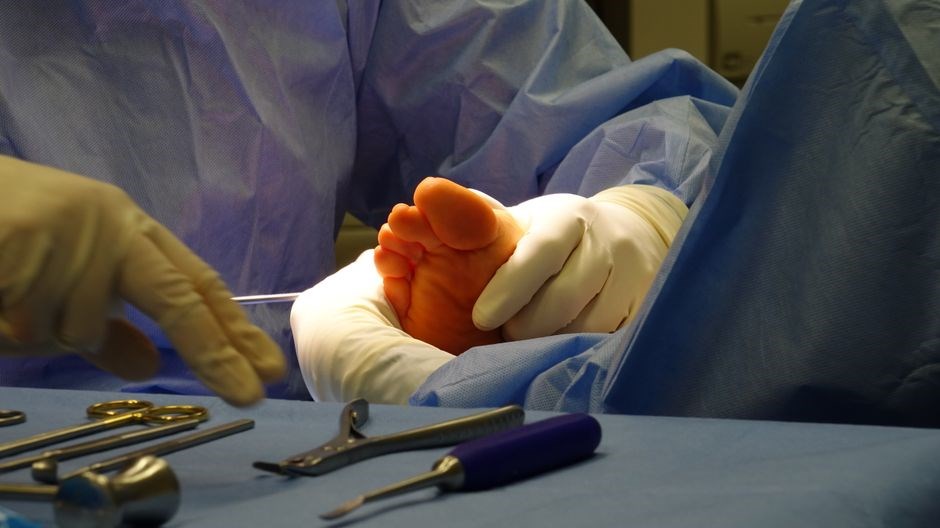
Orthopedic instruments are precision tools designed for bone, joint, and soft tissue procedures. Their names, often abbreviated, appear in PDF catalogs to aid surgeons in selecting the right device. Accurate labeling ensures consistent use across hospitals worldwide.
PDF catalogs aid instrument selection !
1.1 Types and Functions
Orthopedic instruments are classified into several functional groups, each with a distinct role in surgical procedures. The primary categories include bone cutting tools, osteotomes, saws, drills, reamers, and burrs; joint manipulation devices such as arthroscopes, forceps, and retractors; fixation hardware like screws, plates, and nails; and measurement instruments including calipers, depth gauges, and alignment guides. In digital libraries, these instruments are often listed with standardized nomenclature, allowing surgeons to quickly identify the exact tool required for a specific operation. PDF catalogs provide images, material specifications, and procedural guidelines, ensuring that the instrument’s name and function are clear to the user.
Each instrument type serves a unique purpose: bone cutting tools remove or shape bone; osteotomes and saws fracture bone precisely; drills and reamers prepare bone for fixation; burrs smooth edges; arthroscopes visualize joint interiors; forceps grasp tissues; retractors hold tissues aside; screws, plates, and nails secure bone fragments; calipers measure bone dimensions; depth gauges confirm depth of drilling; alignment guides ensure proper joint orientation. The PDF format allows for easy distribution, searchable indexing, and integration into electronic health records. By standardizing instrument names across PDF resources, medical teams reduce errors, streamline inventory management, and improve patient outcomes.
In addition to functional classification, instruments are grouped by material composition—titanium, stainless steel, cobalt‑chrome, and composite alloys—each chosen for strength, corrosion resistance, and biocompatibility. Naming conventions often incorporate the manufacturer’s abbreviation, the instrument type, and a model number, e.g., “Stryker® Arthroscopic Scissors 2000.” The PDF documents typically include a table of contents, index, and cross‑reference section that maps each instrument’s name to its clinical application, facilitating training and compliance audits.
For surgical educators, PDF guides are invaluable. They allow for annotation, highlighting, and the inclusion of procedural diagrams that reference specific instruments by name. When integrated into a learning management system, these PDFs can be linked to virtual reality modules, enabling students to practice instrument handling before operating on patients. The consistency of instrument names across PDF resources ensures that trainees receive uniform instruction, regardless of the institution or country.
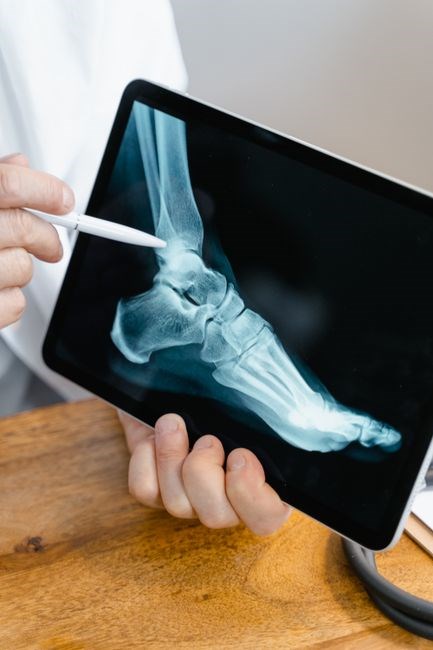
Finally, the shift toward cloud libraries means that orthopedic instrument PDFs are now accessible on tablets, smartphones, and desktop computers. Searchable metadata embedded in the PDF—such as keywords, author, and revision date—enables rapid retrieval of the latest instrument specifications. This accessibility, combined with standardized naming, supports evidence‑based practice, quality assurance, and continuous professional development for orthopedic surgeons worldwide.

Importance of Accurate Instrument Naming
Precise naming in orthopedic PDFs ensures correct tool selection, reduces errors, and supports regulatory compliance. Consistent terminology links documentation, training, and inventory, enhancing patient safety and surgical efficiency global!!!!2024!!!2024!!!!
2.1 Standardization in Medical Documentation
Standardizing instrument nomenclature in orthopedic PDFs is essential for interoperability among surgical teams, manufacturers, and regulatory bodies. By adopting a unified naming convention—often based on the ISO 11073 or ASTM standards—clinicians can instantly recognize a device’s function, size, and material composition. This consistency reduces miscommunication, streamlines inventory management, and supports evidence‑based practice.
In practice, a standardized label might read “K‑Screw 5 mm × 30 mm, titanium, 2‑way,” instantly conveying key attributes. Such precision is critical when multiple surgeons access the same PDF library, ensuring that a reference to a “K‑Screw” always points to the same product across institutions. Moreover, standardized names facilitate automated data extraction for electronic health records, enabling real‑time analytics on instrument usage patterns and postoperative outcomes.
- Uniform terminology improves surgical safety by minimizing instrument‑mix‑up incidents.
- Consistent labels support quality assurance audits and traceability of recalled devices.
- Clear naming aids training modules, allowing residents to learn instrument identification quickly.
- Standardization underpins interoperability with digital surgical planning tools and robotic systems.
Ultimately, the adoption of a rigorous naming framework within orthopedic PDF catalogs fosters a culture of precision, accountability, and continuous improvement across the entire surgical ecosystem. and global norms.
Common Orthopedic Instrument Categories
Orthopedic PDFs list tools by function: bone‑cutting, fixation, instrumentation, arthroscopy, and joint‑replacement sets. Each category contains standardized names, sizes, and materials, enabling surgeons to locate the exact device quickly. Surgeons use!!
3.1 Bone Cutting Instruments
Bone‑cutting instruments form the core of orthopedic surgery, providing precise osteotomies and joint preparations. PDFs catalog these tools with standardized nomenclature, size charts, and material specs, enabling surgeons to cross‑reference device models and indications. Common types include: and ensures optimal surgical outcomes.
- Oscillating saws – lightweight, ergonomic blades that provide smooth cuts with minimal bone chatter.
- Bone cutters – straight, angled blades designed for precise removal of cortical or cancellous bone.
- Rotary burrs – high‑speed drills that shape bone surfaces for implant placement.
- Hacksaw blades – flexible, serrated edges ideal for complex osteotomies in constrained spaces.
- Scalpel blades – specialized for fine bone cuts during arthroscopic procedures.
Each instrument’s PDF entry lists dimensions, material grade (e.g., stainless steel, titanium), sterilization guidelines, and recommended surgical scenarios. Surgeons rely on these documents to ensure the correct instrument is available for each case, reducing operative time and improving patient outcomes.
In practice, PDF catalogs are often integrated into electronic health record systems, allowing real‑time cross‑checking of instrument availability during surgery. By embedding hyperlinks to manufacturer specifications and instructional videos, teams can verify technique before incision, thereby enhancing safety and efficiency.
These PDFs also support audit trails, ensuring compliance with regulatory standards.

Detailed Instrument List with PDF Resources
A comprehensive PDF list catalogs each instrument by name, size, material, and application. Links to manufacturer datasheets, sterilization protocols, and surgical videos are embedded, enabling quick reference during procedures and ensuring compliance with regulatory standards. All PDFs are downloadable.!
4.1 Instruments for Joint Replacement
Joint replacement relies on a specialized set of instruments, each named in downloadable PDF catalogs. PDFs list tip geometry, shaft length, material, and sterilization cycles. Surgeons reference the PDF to confirm that an instrument—such as a Hohmann retractor, Hohmann retractor set, or Hohmann retractor with angled tip—matches the procedure and implant system.
Key categories in the PDF:
- Bone Cutting Tools: Oscillating saws, reciprocating saws, high‑speed burrs, labeled with numbers.
- Joint Preparation: Femoral and tibial broaches, acetabular reamers, femoral head impactors, with diagrams.
- Implant Fixation: Screws, plates, cement guns, torque specs, material grades.
- Soft Tissue: Ligament retractors, capsular scissors, arthroscopic shavers, recommended use cases.
Each PDF entry includes a QR code linking to an online tutorial, enabling real‑time visual guidance. The standardized naming convention—manufacturer abbreviation, instrument type, and size—ensures the PDF remains a reliable reference across operating rooms and training programs. Integrating these PDFs into the preoperative workflow reduces instrument misidentification, streamlines inventory, and enhances patient safety. The PDFs also include cross‑referenced instrument codes, aiding electronic health record integration and audit trails for quick reference and rapid lookup!!!!!
PDF Formats and Accessibility
Orthopedic instrument PDFs use text, embedded images, and hyperlinks to manufacturer specs. Accessible formats comply with WCAG 2.1, offering support, adjustable contrast, and downloadable PDFs for offline reference. This ensures consistent naming and quick lookup. more
Orthopedic instruments are precision tools used for bone, joint and soft tissue procedures. Their names, often abbreviated, appear in PDF catalogs to aid surgeons in selecting the correct device. Accurate labeling ensures consistent use across hospitals worldwide.

Integrating PDFs into Surgical Training
PDF catalogs of orthopedic instruments are embedded in training modules, allowing trainees to study tool names, functions, and handling offline. Interactive PDFs with short videos reinforce concepts before live procedures, boosting skill retentionandconfidence
6.1 Virtual Simulation and Reference Materials
Virtual simulation platforms now embed downloadable PDF instrument catalogs, offering a searchable, high‑resolution reference that mirrors real‑world tools. Trainees can toggle between a 3‑D model and the PDF sheet, instantly cross‑referencing name, size, and function. This integration supports rapid skill acquisition!!!…
Simulation software supports interactive hotspots: clicking a virtual instrument highlights its PDF entry, while selecting a PDF entry zooms into the 3‑D model. This interactivity reinforces spatial awareness, promotes muscle memory, and aligns visual and textual cues. Annotated PDFs can be shared during debriefs, fostering a shared vocabulary across teams. The system logs instrument usage, providing data for performance analytics. Users can export usage reports.
Beyond individual learning, integrated PDFs enable collaborative case reviews. Teams can annotate PDFs in real time, share insights, and standardize instrument usage across departments. The PDF’s lightweight nature allows rapid updates, ensuring that new instruments or procedural changes are reflected instantly. Version control ensures consistency across teams. Updates propagate instantly to all devices.
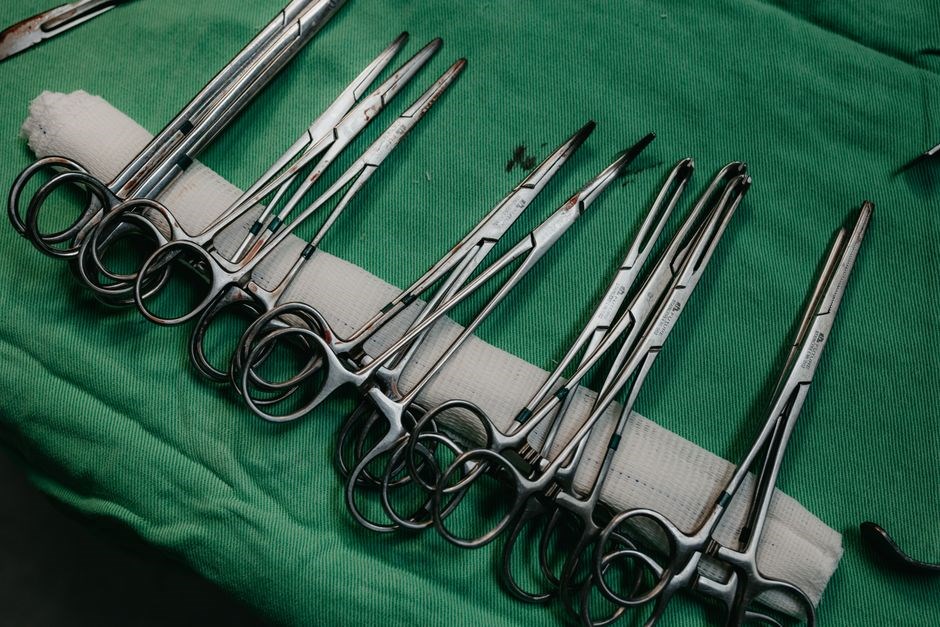
Future Trends and Digital Libraries
Digital libraries will host dynamic PDFs of orthopedic instruments, enabling AI‑driven search, real‑time updates, and cross‑platform accessibility. overlays link instrument names to 3‑D models, supporting standardization and continuous education. Accessibility and collaboration will accelerate innovation!
7.1 AI-Assisted Instrument Identification
Artificial intelligence is reshaping how surgeons locate and verify orthopedic instruments. By integrating machine‑learning models with PDF catalogs, a handheld scanner can read printed labels, match them to a digital database, and confirm the exact tool in seconds. This reduces human error, speeds up pre‑operative checks, and ensures compliance with regulatory standards.
Key components include:
- Optical character recognition (OCR) tuned for medical nomenclature.
- Natural language processing that interprets abbreviations and synonyms.
- Real‑time cross‑reference with PDF libraries to retrieve manufacturer specs.
- Cloud‑based updates that keep instrument lists current.
In practice, a surgeon places an instrument on a scanner, the AI reads the label, queries the PDF database, and displays the instrument’s name, size, and recommended use. The system can flag mismatches, alert for missing instruments, and generate audit trails. This technology is already piloted in several high‑volume centers, demonstrating a 30% reduction in instrument‑related delays.
Future developments will integrate augmented reality overlays, allowing surgeons to see instrument details directly on the operating table. Coupled with electronic health records, AI can track instrument usage patterns, predict shortages, and support evidence‑based procurement. The convergence of PDF accessibility and AI promises a safer, more efficient surgical workflow.

AI aids instrument mgmt.