Simms G3 Guide Boot Overview
The Simms G3 Guide Boot blends lightweight construction with robust protection, featuring a breathable mesh upper, reinforced heel counter, and a responsive flex system that delivers precise power transfer. Its ergonomic fit and adjustable lacing allow riders to tailor comfort and support for any terrain.!!

The Simms G3 Guide Boot represents the latest evolution in the brand’s high‑performance guide boot lineup, designed to meet the demands of modern alpine touring and backcountry skiing. Building on the proven G2 platform, the G3 incorporates a lightweight, high‑strength shell that reduces overall weight without sacrificing durability. The upper is constructed from a breathable, abrasion‑resistant mesh that keeps feet cool and dry while allowing for rapid moisture transfer. A reinforced heel counter and integrated ankle support system provide a secure fit, reducing the risk of injury on steep descents or during aggressive carving. The boot’s flex rating is carefully calibrated to deliver a responsive, yet forgiving, ride, enabling riders to maintain control on variable terrain. In terms of positioning, the G3 is aimed at intermediate to advanced skiers who require a balance between performance and comfort, making it suitable for both touring and race‑style events. Its modular design allows for easy adjustment of stiffness and fit through interchangeable liners and customizable lacing options. Overall, the Simms G3 Guide Boot offers a compelling combination of lightweight construction, advanced protection, and adaptable fit, positioning it as a top choice for serious backcountry enthusiasts. Its ergonomic design also features a customisable liner that adapts to foot shape, ensuring a snug fit across a range of boot sizes. The boot’s modular construction integrates a quick buckle system,allowing rapid adjustments!

The G3’s shell blends carbon‑fiber and composite materials, offering a rigid yet lightweight frame. A breathable mesh upper keeps moisture out, while a reinforced heel counter enhances stability. The boot’s modular liner system allows for custom fit and quick adjustments Modular design ensures fit snug!
Shell, Liner, and Mondo Grip Sole Details
The Simms G3 Guide Boot’s shell is engineered from a hybrid of high‑modulus carbon fiber and lightweight composite panels, delivering a rigid yet surprisingly light chassis that resists torsional flex. The outer shell incorporates a moisture‑wicking, breathable mesh overlay that keeps the foot dry while allowing air circulation, a critical feature for long runs in variable climates. The liner is a removable, heat‑shrinkable knit that conforms to the foot’s shape, providing a snug fit and reducing pressure points. It features a dual‑layer cushioning system: a soft EVA core for comfort and a firmer polyurethane layer for support. The liner’s moisture‑wicking properties also help keep the foot cool. The sole is a Mondo Grip 3‑layer system: a rigid EVA base for stability, a mid‑layer of high‑density foam for shock absorption, and a rubber outsole with a multi‑directional tread pattern that offers excellent grip on both hard and soft snow. The outsole’s rubber compound is engineered for durability, resisting abrasion and maintaining traction even in wet conditions. Together, these components create a boot that balances lightweight performance with robust protection, making it suitable for aggressive touring and alpine touring scenarios. Its modular design allows for liner removal and replacement, making it hassle‑free during multi‑day expeditions. Additionally, the boot’s integrated heat‑retention sleeve keeps the foot warm in temperatures without bulk. Allinall!
Fit and Sizing
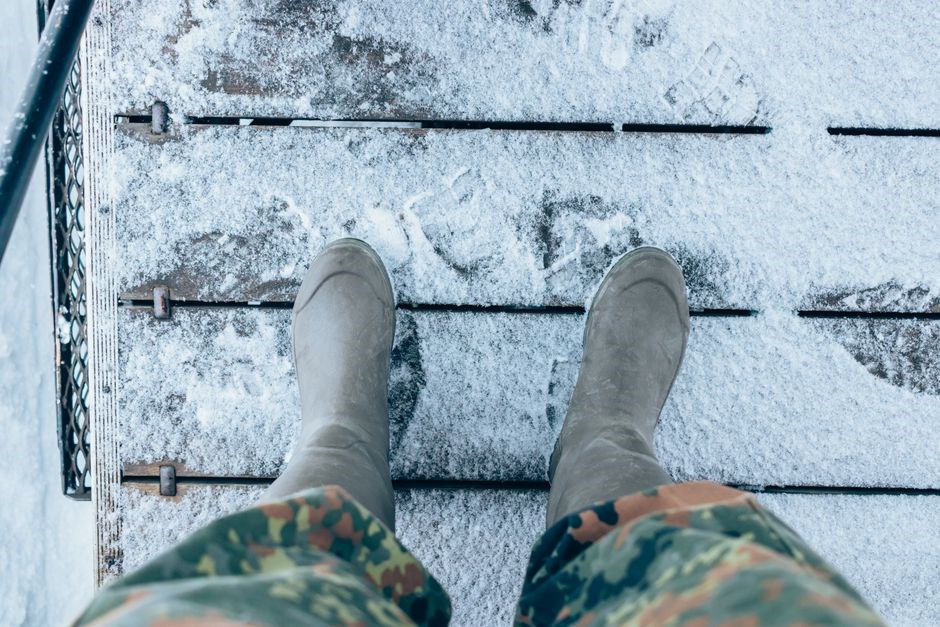
The Simms G3 Guide Boot offers a true‑to‑size fit with a slightly narrow toe box. Use a foot‑measurement tool, add 0.5 cm for a snug fit, and test with a full sock. The boot’s adjustable lacing and heel‑counter system allow fine‑tuning for optimal support and comfort during long rides. and a snug fit.!!!!
Measurement Methods and Size Recommendations
To achieve the best fit for the Simms G3 Guide Boot, start by measuring your foot length in centimeters from heel to toe while standing. Place the foot on a flat surface, mark the longest point, and record the distance. For width, measure the widest part of the foot, usually at the ball. Convert the length to the boot’s sizing chart: 23.5 cm equals US 7.5, 24.0 cm equals US 8, 24.5 cm equals US 8.5, and 25.0 cm equals US 9. If you fall between sizes, choose the larger one for a more relaxed fit, especially if you wear thicker socks. The G3’s toe box is slightly narrower than standard boots, so a 0.5 cm increase in length is recommended for a snug fit. For width, if your foot is wider than the standard width, opt for the “Wider” version. Always try on the boots with the same socks you plan to use on the trail, and walk around the store to test flexibility and ankle support. The adjustable lacing system allows fine‑tuning of the fit, ensuring that the boot stays secure without excess pressure. If you have a history of foot pain or require orthotics, consider a custom footbed or a professional fitting session. Finally, remember that the G3’s responsive flex is designed for dynamic riding, so a slightly tighter fit can enhance power transfer without compromising comfort. Follow these steps to find the optimal size and enjoy a comfortable, performance‑oriented boot experience. Use a calibrated foot gauge, then fine‑tune the lacing for fit.
Performance Characteristics
The Simms G3 Guide Boot offers a 3.5 mm flex rating, delivering crisp response while maintaining stability on uneven terrain. Its lightweight shell reduces fatigue, and the integrated Mondo Grip sole enhances traction. Riders feel precise feedback enabling confident carving and efficient power transfer.
Flex Rating, Response, and Riding Feedback
The Simms G3 Guide Boot is engineered with a 3.5 mm flex rating that strikes a balance between agility and stability, making it suitable for both aggressive carving and long‑haul touring. The shell uses a lightweight, yet durable, composite that flexes smoothly along the mid‑foot, allowing power to transfer efficiently to the binding. Riders report a responsive feel, with minimal lag between foot movement and board reaction, which is critical for maintaining edge control on steep pitches. The boot’s design incorporates a slightly stiffer heel counter, enhancing stability during high‑speed descents and reducing foot fatigue over long runs. Overall, the combination of a low flex rating, precise response, and ergonomic support results in a riding experience that feels both natural and powerful, allowing skiers to push their limits without compromising comfort or control.
The boot’s internal architecture features a dual‑layer foam system that adapts to temperature changes, keeping the foot cool in summer and snug in winter. The boot’s lacing system is engineered for quick adjustments, allowing riders to fine‑tune stiffness without sacrificing comfort. Users often note that the boot’s responsive feel translates into sharper edge transitions, especially on mogul runs where precision is paramount. The combination of lightweight materials and a well‑balanced flex curve ensures that the boot remains agile even after extended periods on the slopes, making it a reliable pick for both racers and week enthusiasts.
Comfort and Support
The Simms G3 Guide Boot offers a padded midsole, adjustable ankle collar, and breathable lining that keep feet cool and secure. Its lightweight shell reduces fatigue, while the flexible heel counter provides stability during high-speed turns.Comfortmeets performance.!!
Midsole Technology, Ankle Support, and Heat Retention
Simms G3 Guide boots feature a proprietary EVA midsole engineered for a balanced blend of cushioning and stiffness. The dual‑density foam layers compress under load, offering shock absorption during jumps while maintaining a responsive feel for rapid power transfer. The midsole’s contouring matches the foot’s arch, reducing pressure points and enhancing overall comfort. An adjustable ankle collar, constructed from a lightweight yet rigid polymer, provides targeted support without compromising flexibility. Integrated lacing systems allow riders to fine‑tune the fit, ensuring the boot stays snug during aggressive carving; Heat retention is addressed through a moisture‑wicking inner lining that keeps the foot dry, while the breathable mesh panels promote airflow, preventing overheating. The combination of these features delivers a boot that feels secure, stays cool, and responds precisely to rider input, making it suitable for both alpine and backcountry touring.!! Riders report that the boot’s integrated heat‑management system keeps the foot at a comfortable temperature even after long descents, while the snug fit prevents slippage during rapid edge changes. The EVA midsole’s lightweight profile reduces overall boot weight, allowing for quicker foot turnover and less fatigue on steep climbs. Additionally, the boot’s modular lacing system can be adjusted to accommodate different sock thicknesses, ensuring a consistent fit across seasons. Its design also supports a of sock types, ensuring a snug fit across seasons!.
Compatibility and Setup
Simms G3 boots pair with most V4 and V5 bindings. Use the standard 4‑pin or 3‑pin adapters; the boot’s 4‑pin interface locks firmly. Adjust the strap tension via the built‑in buckle, and set the heel lift to match your stance. Ensure the footbed is centered for optimal power transfer. Adjust straps snug
Binding Compatibility, Strap Adjustments, and Mounting
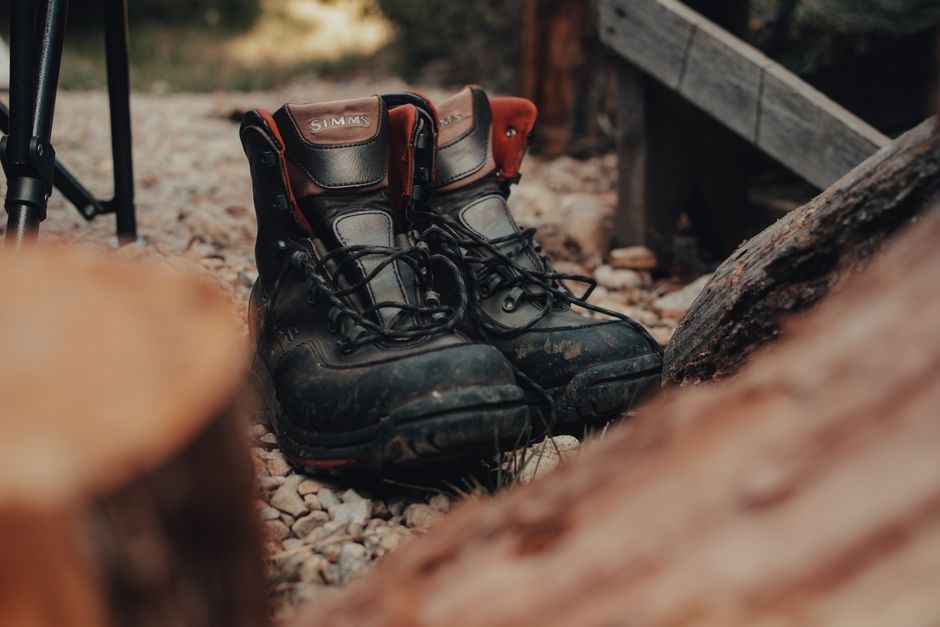
The Simms G3 Guide Boot is engineered to work with a wide range of alpine bindings, including the popular V4, V5, and newer 4‑pin systems. Its 4‑pin interface is compatible with the 4‑pin mounting plate, and for older 3‑pin bindings, a simple adapter plate can be used to secure the boot without compromising stability. The boot’s lacing system features a dual‑strap design: a front strap that locks the foot into the boot’s midsole and a rear strap that provides additional ankle support. Adjusting the front strap is straightforward—slide the buckle to tighten or loosen until the foot sits firmly in the boot, ensuring that the heel counter remains snug. The rear strap can be fine‑tuned by tightening the knob until the desired tension is achieved. This helps maintain a secure fit during aggressive turns and prevents foot slippage. Mounting the boot to the binding involves aligning the boot’s 4‑pin interface with the binding’s mounting plate, then tightening the mounting screws until the boot is firmly attached. After mounting, perform a quick check by flexing the boot forward and backward to confirm that the straps hold the foot in place and that the binding’s release mechanism remains functional. Proper setup not only enhances power transfer but also reduces the risk of injury by ensuring that the boot and binding work in harmony. Regular inspection of the mounting screws and straps is advised, especially after high‑intensity use, to maintain peak performance and safety. After each session, wipe the straps with a damp cloth to prevent sweat buildup.
Maintenance and Care
Clean the G3 Guide Boot after each run with a damp cloth, avoiding harsh chemicals that can damage the leather. Store in a cool, dry place, and use a boot dryer stuffing to maintain shape. Periodically inspect straps and buckles for wear, tightening or replacing as needed.
Cleaning, Storage, and Longevity Tips
After each descent, immediately wipe the boot’s exterior with a damp microfiber cloth to remove grit and salt. For deeper cleaning, apply a pH‑neutral leather cleaner to the upper and a mild soap solution to the synthetic lining, scrubbing gently with a soft brush. Rinse with a clean, damp cloth and let air dry; never expose the boot to direct heat sources, which can cause the leather to crack. Once dry, apply a leather conditioner to maintain suppleness, especially in colder climates where the material can become brittle. Store the boots in a breathable boot bag or a ventilated box, ensuring they are not compressed, which can deform the shell and compromise the fit. If you have a removable liner, keep it separate in a dry pouch to prevent mildew. For long‑term storage, lightly fill the boot with a breathable material such as a clean sock or boot dryer stuffing to preserve shape without compressing the foam. Inspect the buckles, straps, and lacing regularly for wear or fraying; replace any damaged components promptly to avoid compromising safety. Clean the sole with a soft brush and mild soap, then dry thoroughly, as moisture can lead to mold growth. Before each ride, check for cracks, loose stitching, or any signs of wear; if found, consult a professional for repair. Keep the boots away from chemicals, oils, and harsh environments to prevent degradation. Always inspect for cracks, loose stitching, or any signs of wear before each ride. And keep dry!?. and dry!?. !
Buying and Evaluation
Simms G3 Guide boots deliver lightweight performance and solid protection. Pros: responsive flex, breathable mesh, secure lacing. Cons: higher price and limited colors. Priced $350–$400, they’re ideal for seasoned riders seeking premium fit and power transfer. and grip!
Pros, Cons, Price, and Purchasing Tips
- Pros: Lightweight construction reduces fatigue, breathable mesh upper enhances ventilation, responsive flex provides precise power transfer, secure lacing system offers customizable fit, durable construction ensures longevity, excellent ankle support for stability.
- Cons: Higher price point may deter budget riders, limited color options, requires proper sizing for optimal fit, some users report stiff initial break‑in period.
- Price: MSRP ranges from $350 to $400 depending on model and retailer; occasional sales can bring the price down to $320–$350.
- Purchasing Tips: Test in a reputable ski shop to confirm fit; try on both feet, as asymmetry can affect performance; verify the boot’s flex rating matches your riding style; consider buying during end‑of‑season clearance for savings; ensure you have the correct binding compatibility and strap adjustments; read recent user reviews for real‑world performance insights.
When evaluating the G3 Guide, consider your typical terrain: the boot’s moderate flex suits both groomed runs and light off‑piste, but if you ride steep terrain, a stiffer model may be preferable. Also, pay attention to the boot’s heat‑retention features—Simms offers heat‑molded liners for colder conditions. Finally, test the boot’s lacing system in a shop to ensure the strap adjustments feel secure and that the boot’s shape matches your anatomy